About Oscillating Disc Rheometer
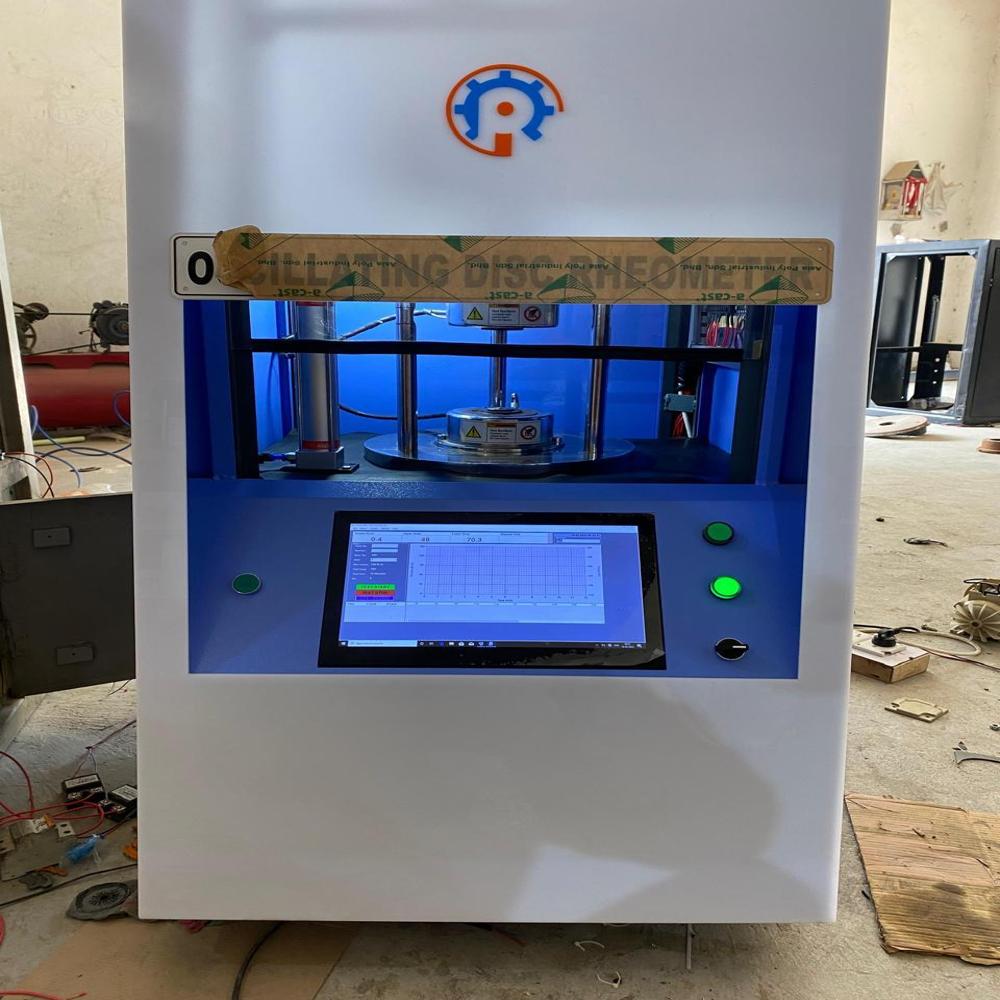
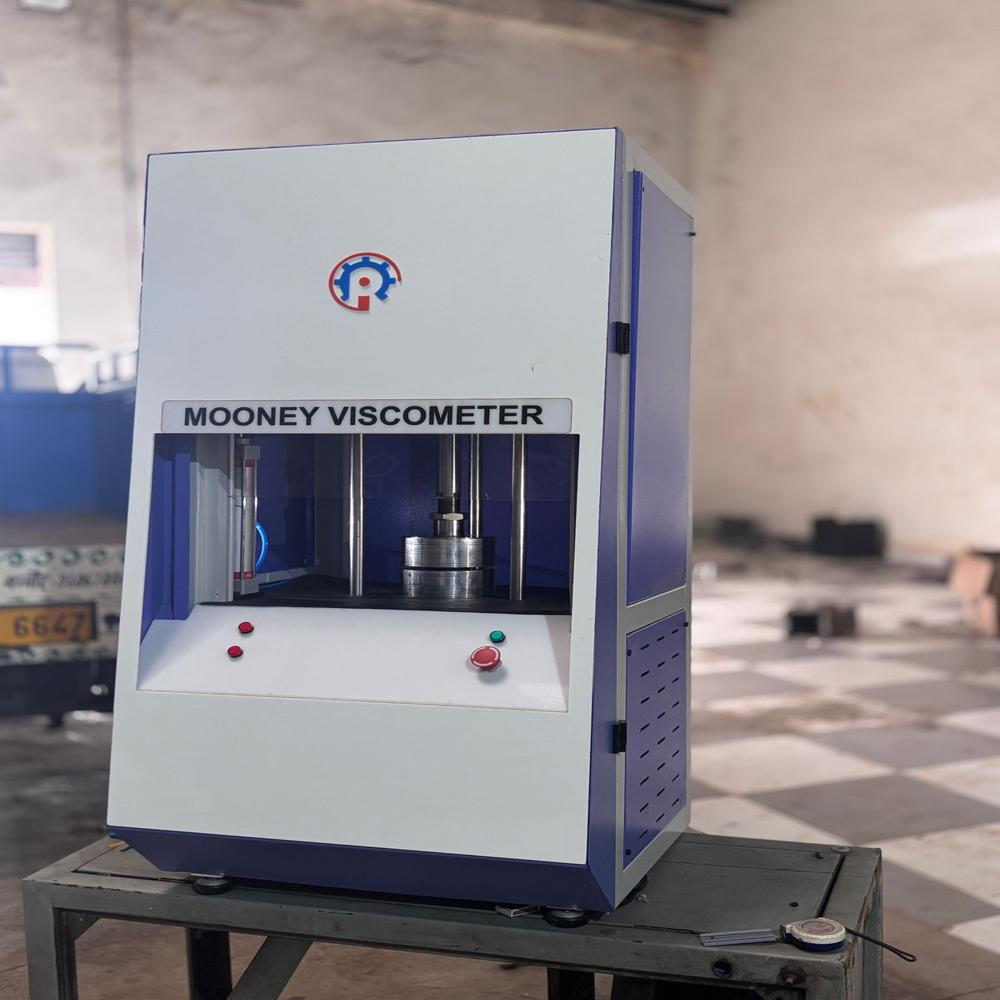
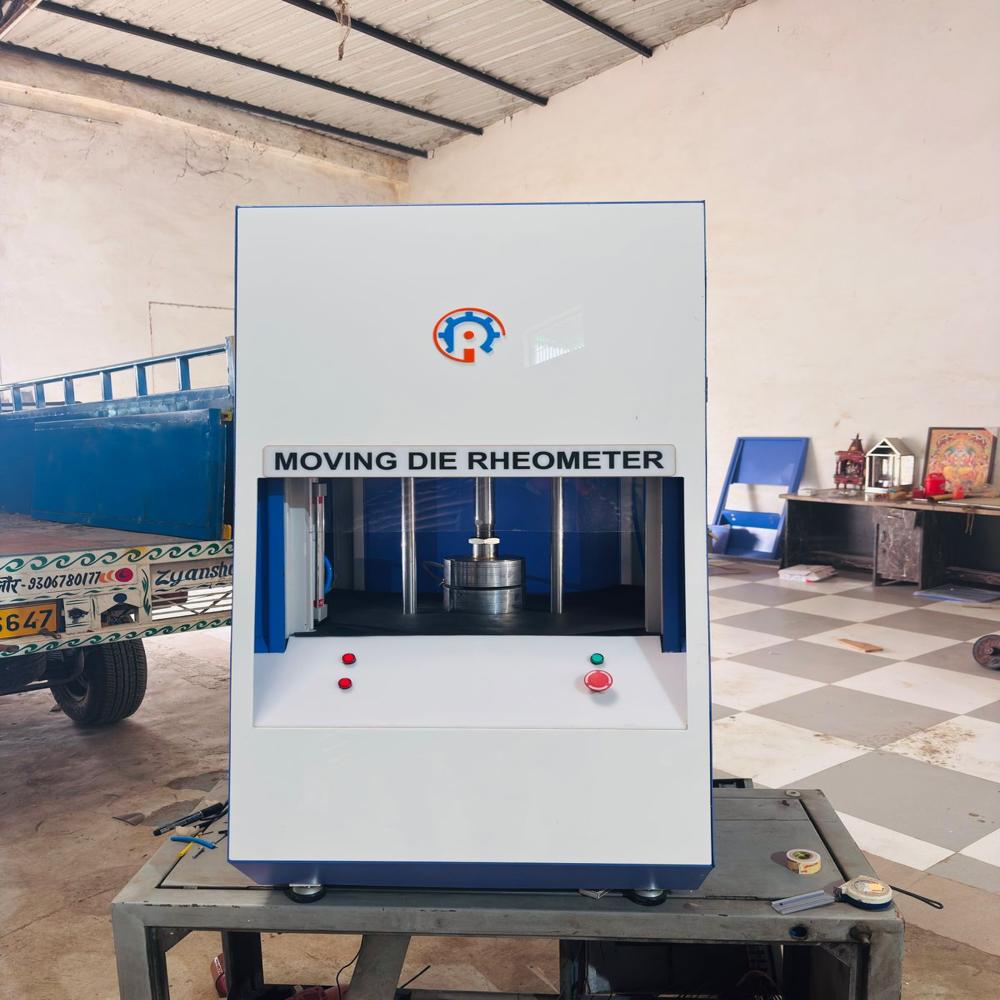
An Oscillating Disc Rheometer (ODR) is a specialized, rotor-based testing instrument used to analyze the viscosity and vulcanization characteristics (cure rate, scorch time) of rubber and polymer compounds. By oscillating a biconical disc within a sealed, heated chamber, it measures the torque required to shear the sample, directly plotting the vulcanization reaction against time to optimize manufacturing processes.
Advanced Temperature ControlEquipped with electric heating and precise temperature control accuracy of 0.5C, this rheometer ensures reliable and repeatable test results every time. The integrated microprocessor provides consistent monitoring and adjustment, making it ideal for sensitive rubber testing applications.
Comprehensive Testing ModesThis instrument supports measurement of cure rate, scorch time, minimum and maximum torque, and optimum cure time, delivering comprehensive data critical for compound evaluation. The digital display allows for clear, easy-to-read results, while the automatic and computerized operation streamlines the entire testing process.
Built-In Safety and ComplianceSafety is ensured with over-temperature protection and an emergency stop function, providing peace of mind during continuous operation. Fully compliant with ASTM D2084 and ISO 6502 standards, this rheometer meets industry requirements for accuracy and reliability in rubber testing laboratories.
FAQ's of Oscillating Disc Rheometer:
Q: How is the Oscillating Disc Rheometer used for determining rubber cure properties?
A: The rheometer operates by oscillating a disc embedded in a rubber specimen while precisely controlling temperature (room to 200C). It measures varying torque as the rubber cures, providing crucial data on cure rate, scorch time, and maximum/minimum torque, ideal for rubber compound analysis.
Q: What safety features are included with this Oscillating Disc Rheometer?
A: This model is equipped with over-temperature protection and an emergency stop button to safeguard users and equipment from overheating or unexpected situations during operation, ensuring a safe testing environment.
Q: When should the Oscillating Disc Rheometer be calibrated or maintained?
A: Routine calibration and maintenance are recommended according to supplier guidance or after significant usage to ensure continued compliance with ASTM D2084 and ISO 6502 standards and consistently accurate results.
Q: Where can this rheometer be effectively installed?
A: Designed for laboratory and industrial environments, this instrument can be easily set up in quality control or research labs, especially those focused on rubber or polymer testing and evaluation, due to its standard size and robust mild steel construction.
Q: What benefits does computerized and automatic operation provide?
A: Computerized, automatic operation streamlines data acquisition, minimizes human error, and allows for efficient workflow integration. It provides instant access to test history and results, making it ideal for repeatable, high-volume testing procedures.
Q: How does the temperature control accuracy enhance testing outcomes?
A: Precise temperature control (0.5C accuracy) ensures that test conditions remain stable and repeatable, yielding consistent results critical for comparing material properties across batches or development stages.
Q: What process does this equipment follow during a standard test?
A: During a test, a pre-cut rubber sample (1.5 mm thickness) is placed between heated plates (150 mm diameter). The microprocessor controls temperature and oscillating motion, while the instrument records torque changes during curing. All results are displayed digitally and can be stored electronically for analysis.





 Send Inquiry

 Send Inquiry
 Send Inquiry
 Send SMS